The great challenge of controlling weeds in modern agriculture.
In modern agriculture, controlling the emergence and spread of weeds has become a major challenge for all types of cultivated environments. In every case, and on a daily basis, we are directly affected in terms of the productivity, profitability, and sustainability of our agricultural operations. This is why we need to rethink conventional strategies we already know regarding soil management, regardless of its nature or structure.
Welcome once again to our agricultural space, Novamulch. This time we will study and evaluate a topic that causes us so many headaches: “weeds”.
We’ll review how to eliminate weeds, the options available today to prevent and control these invasive species, and, in keeping with our ecosystem and sustainable farming practices, we’ll focus on using Novamulch biodegradable paper mulch. Let’s begin.
What are weeds and how do they develop in crops?
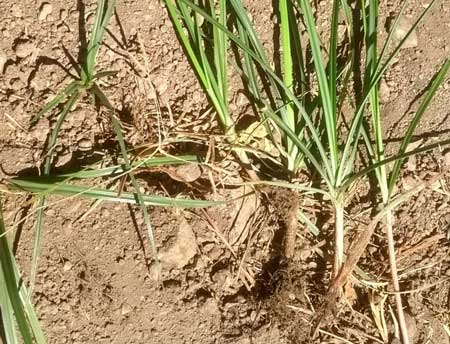
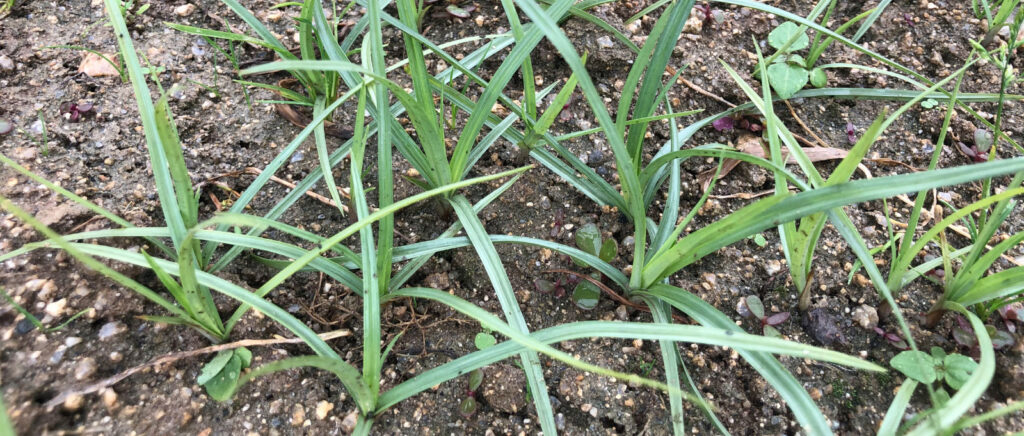
These adventitious plants are plant species that grow spontaneously in all soils and represent a vital problem, as they directly interfere with the normal development of crops, reducing the productive efficiency of all agricultural projects.
Technically, there is no specific botanical definition of “weed”; the same species can be considered a crop or an adventitious plant depending on the context. However, in agriculture, we refer to weeds as those plants that compete with the main crop and cause economic losses.
The development of these species is closely linked to the dynamics of agricultural soil and its management practices. Most exhibit a high capacity for adaptation, short life cycles, and high seed production, allowing them to colonize and expand rapidly across cultivated fields.
Their seeds often remain dormant for years in the soil’s natural seed banks. Agricultural practices such as plowing, soil preparation, and irrigation are key conditions for initiating their development, as they expose them to light, moisture, and oxygen, and it is at this point that their rapid germination begins favorably.
The first phase of weed formation is the most critical, because if they emerge before or at the same time as what we have sown, we will multiply their competitive advantage:
- Due to water: they reduce the water availability for the crop.
- Essential primary nutrients: nitrogen, phosphorus, and potassium.
- Due to sunlight: especially in horticultural crops and those of reduced height, with low leaf systems, slow or progressive initial development, and especially sensitive to competition for light, water and nutrients.
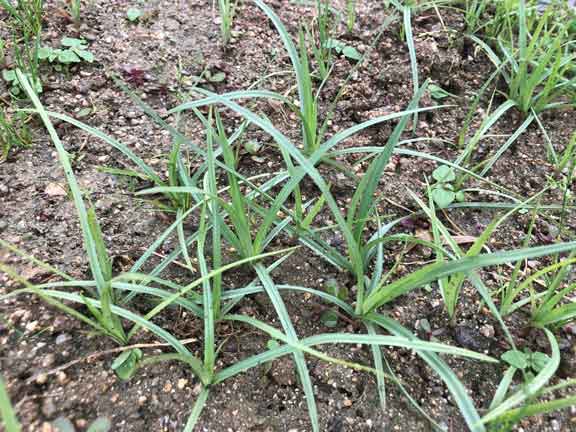
Examples of these species sensitive to competition from weeds.
Vegetables: Lettuce, spinach, chard, onion, garlic, carrot.
Fruit trees and other creeping crops: strawberry, melon, watermelon, zucchini (in their initial stages).
In these cases, weeds emerge more quickly, shading crops, reducing nutrient uptake, and hindering proper aeration and healthy, robust root development. Therefore, these species require more targeted weed control strategies, especially during the first few weeks after sowing or transplanting.
Some recommendations include implementing Novamulch biodegradable paper mulch, whose characteristics and advantages we will see later, as well as doing early weeding and properly preparing the ground, taking care to remove any type of waste: plants, hard rocks, plastic and metal remains.
What is the relationship between weeds and crop pests and diseases?
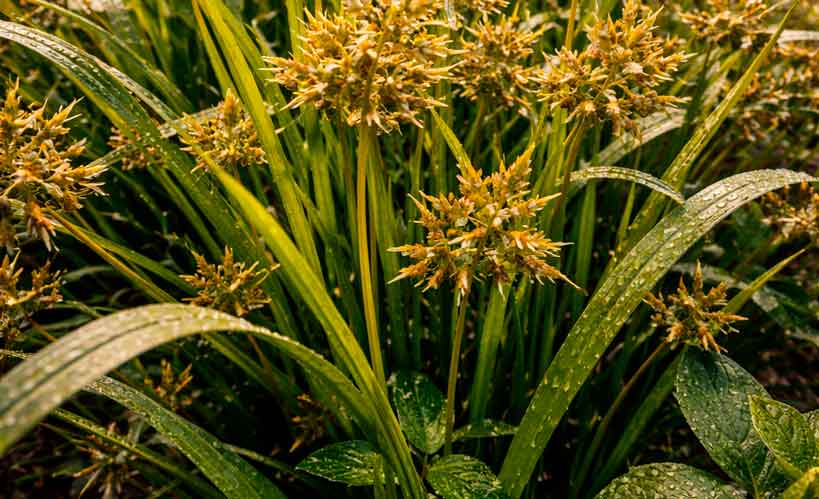
Extensive documentation exists on this topic, and we observe that the interaction is direct and immediate. Weeds like sedge are essential for the spread and persistence of harmful organisms, making the implementation of pest control measures in agricultural systems increasingly urgent. Let’s study.
Pests and Weeds.
Weeds are a natural reservoir for pest insects, as they allow their survival and reproduction, and serve as a refuge even when the main crop is not present or is in less favorable phases such as the primary stages.
Among the most common pests associated with weeds are Aphids (Aphididae), Thrips (Thysanoptera), Whitefly (Bemisia tabaci) and Mites (Tetranychus spp.).
These pests can later move from weeds to the crop, increasing infestations and making them more difficult to control. Fields with a high presence of weeds have larger initial populations of insect pests from the early stages of the crop cycle.
Diseases and Weeds.
Most weeds are natural carriers of pathogens that systematically contaminate our crops.
Plant viruses such as mosaic or yellowing viruses are frequently transmitted by insect vectors (mainly aphids and whiteflies), which feed first on infected weeds and then on the crop. This mechanism makes weeds a critical link in the epidemiological chain, favoring the persistence of diseases even when phytosanitary treatments are applied to the crops.
Given this analysis, it is recommended to implement strategies that function as preventive soil control, such as keeping it properly covered and protected with Novamulch biodegradable paper mulch, to reduce the emergence of these weeds, as well as the presence of harmful hosts and the proliferation of disease vectors.
By limiting the germination and development of weeds from the early stages of our crops, we achieve a healthier, more balanced habitat that is more resistant to pests and diseases.
Traditional methods for removing weeds.
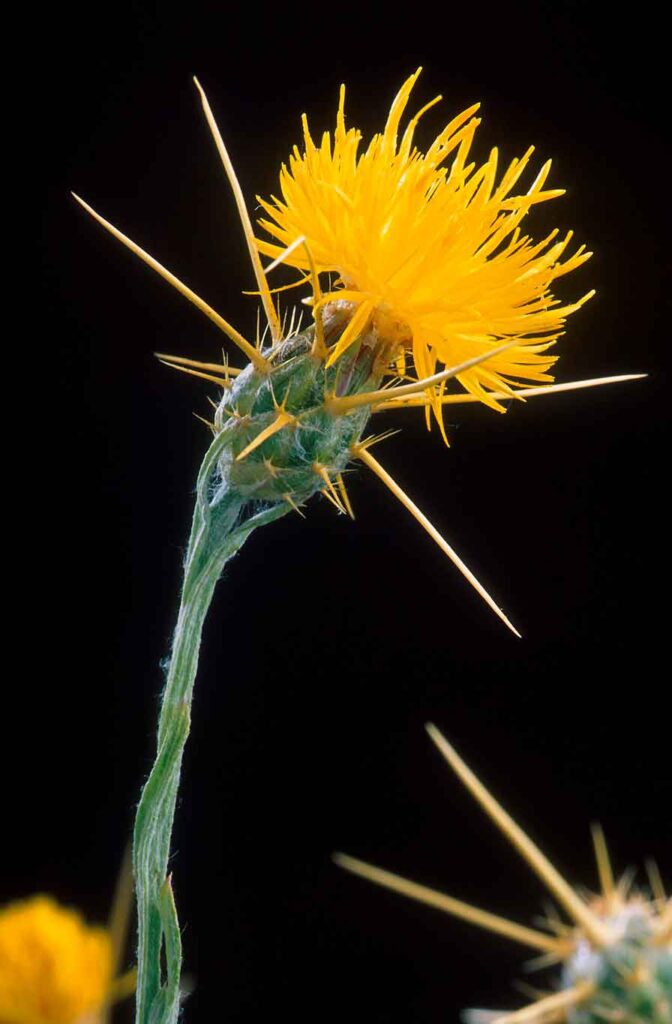
Let’s examine the various methods that have been used for decades to eliminate weeds. Let’s see.
Manual weeding and mechanical control.
These are two of the oldest and most widespread agricultural methods for eliminating weeds.
Manual weeding.
We physically remove these weeds and it works quite well, although the need arises to look for more lasting complementary solutions because reproduction is unpredictable.
We remove them by hand or with basic tools like hoes, hoeing tools, or hand knives. This practice is common in urban and home gardens, small farms, organic farming, and in areas where herbicides are not used. If we do it in their early stages, we obtain effective results because we prevent their root system from developing and producing seeds.
The limitations of manual weeding in the medium and long term are the high cost of labor, the frequent repetition of the process, and the difficulty in removing deep roots or roots capable of producing continuous shoots.
Now let’s examine mechanical weed control.
We use agricultural machinery that cuts, uproots, or buries soil, primarily working in the surface layers. Among the most commonly used equipment are cultivators, harrows, mechanical weeders, and inter-row cultivators, especially in extensive farming and professional operations that aim to reduce herbicide use.
Mechanical weed control offers greater effectiveness compared to manual weeding. It can be applied over large areas, breaks down the soil’s surface structure, destroys young weeds, reduces seed banks in the short term, is perfectly compatible with integrated and organic farming, and reduces reliance on herbicides.
However, let’s review some disadvantages:
Risk of damaging the roots of our crops, promotes new germination by disturbing the soil, increases fuel consumption and operating costs, and its frequent use can stimulate the germination of new weeds by bringing dormant seeds to the surface and exposing them to light.
Both weed removal techniques are corrective but not preventive, require repeated interventions, do not prevent new germination, are most effective only in the early stages of development, and it is for these reasons that their exclusive use usually generates a continuous cycle of weed appearance, increasing costs and workload throughout the crop cycle.
Chemical control with herbicides to eliminate weeds.
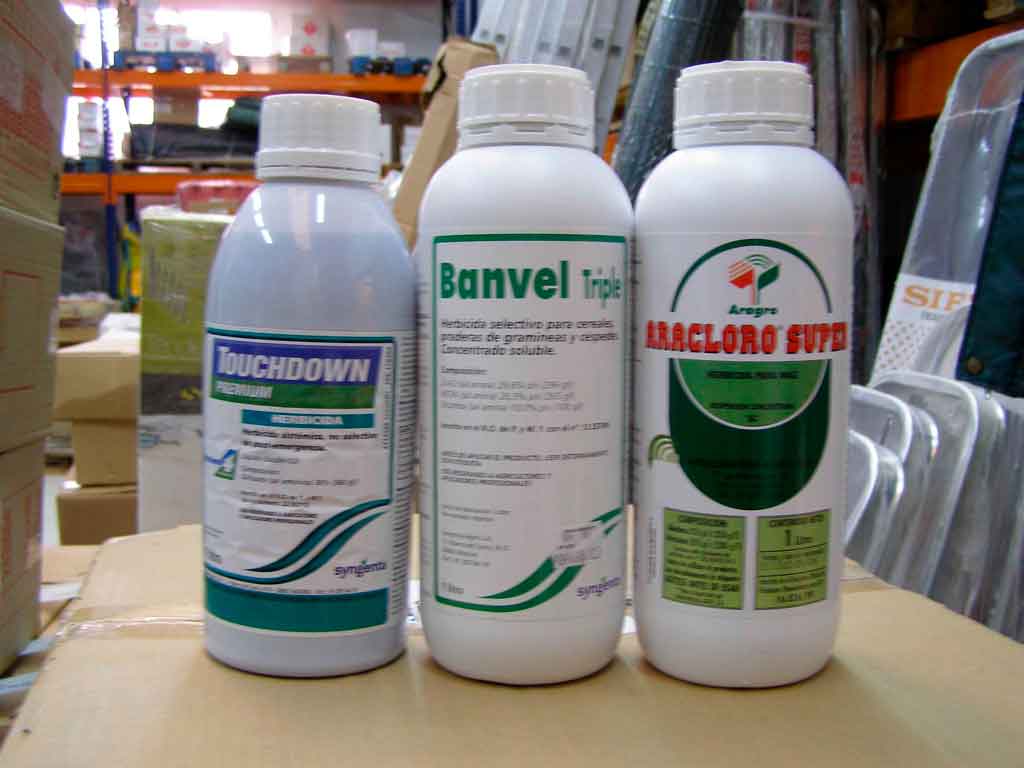
Chemical weed control using herbicides has been one of the most widely used methods for eliminating weeds in modern agriculture, especially since the mid-20th century. Its popularity stems from its rapid action, ease of application, and ability to treat large areas at a relatively low initial cost.
However, the use of herbicides poses technical, environmental, and regulatory challenges that increasingly limit their viability as the primary solution for weed management.
What are herbicides and how do they work?
Herbicides are plant protection products designed to inhibit or destroy the growth of unwanted plants. They work by interfering with essential physiological processes in weeds, such as photosynthesis, amino acid synthesis, cell division, and root growth. Based on their mode of action, they can be classified as contact herbicides, which act on the tissues where they are applied, and systemic herbicides, which are absorbed and distributed throughout the plant.
We can also distinguish between herbicides applied before germination and those applied directly to established weeds. From an operational standpoint, these herbicides are highly effective in the short term, immediately reduce competition for nutrients, can be applied over large areas, and do not require any initial labor.
Now, let’s examine the limitations and risks of these products.
Despite being effective, these products generate high levels of toxicity in our crops, surrounding animals, and our health. They also disrupt the microbiota and ecosystem, contaminate surface and groundwater, and eliminate beneficial insects and pollinators.
Such are the disruptions and imbalances that these herbicides cause in every sense, that their use has been gradually withdrawn, giving way to organic and ecological treatments more consistent with sustainability.
What eco-friendly alternatives are available to us today?
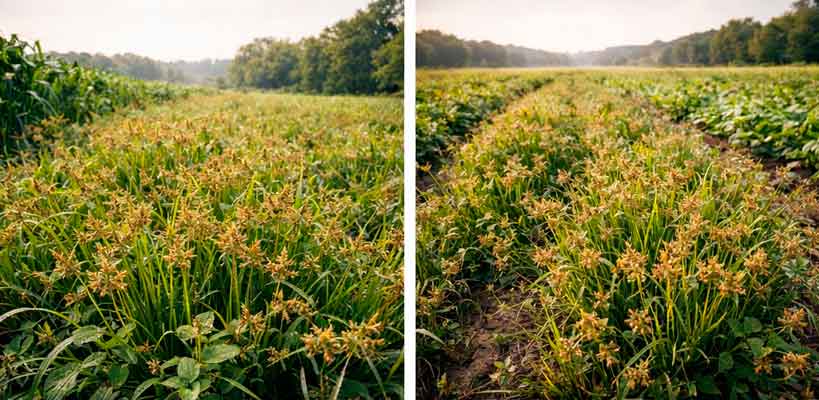
Faced with the harmful consequences of chemical weed control using herbicides, modern agriculture has an increasingly wide range of ecological and sustainable alternatives. These solutions prioritize prevention, respect for the natural structure of the soil, and reduced environmental impact, without compromising crop productivity.
When implementing ecological weed control, it’s essential to manage germination times. To do this, it’s advisable to prepare the soil beforehand, maintaining continuous crop rotations and preventing the soil from becoming barren and arid, which encourages weed growth. In well-structured, even uncultivated soils, this is less likely to occur.
Plant covers are one of the ecological alternatives, as they reduce the incidence of sunlight that allows rapid germination of weeds, but they improve the composition of the soil and promote the continuity of adequate biodiversity.
Let’s examine the most commonly used materials for these organic covers, with their advantages and limitations, keeping in mind that weed germination is not impossible, as weeds may be present in these components:
Straw and stubble.
Cereal straw such as wheat, barley, and oats.
Crushed crop residues.
Advantages: readily available and provides good coverage.
Limitation: can be blown away by the wind and introduce weed seeds if not properly treated.
Vegetable remains.
Dried leaves and shredded stems.
Green pruning waste.
Advantages: We reuse agricultural waste.
Limitations: Rapid decomposition and insufficient and variable effectiveness.
Compost and well-rotted manure.
Plant compost and composted manure.
Advantages: provides nutrients and improves soil biology.
Limitation: reduced light-blocking capacity if not applied in thick layers.
Bark and wood chips.
Wood chips and shredded pine bark.
Advantages: long-lasting and good soil protection.
Limitation: can immobilize nitrogen during decomposition.
Hay.
Mowed dry grass.
Advantages: good ground cover in the early stages of cultivation.
Limitation: high risk of introducing weed seeds.
Dry leaves.
Deciduous tree leaves, meaning those whose foliage remains partially throughout the year depending on the seasons.
Advantages: natural and free material.
Limitations: light coverage and rapid degradation.
These organic mulches have varying degrees of effectiveness in weed control and require periodic renewal because they decompose relatively quickly. Furthermore, they are sensitive to wind and rain, and for these reasons, they work best as a complement to other weed control methods rather than as the sole solution.
Novamulch biodegradable paper mulch as an effective alternative for sustainable weed control.
Among the various eco-friendly alternatives currently available, Novamulch biodegradable paper mulch stands out as one of the most effective and technically sound solutions for sustainable weed control. In particular, its components are notable for their ability to act preventively from the earliest stages of any crop. Let’s study.
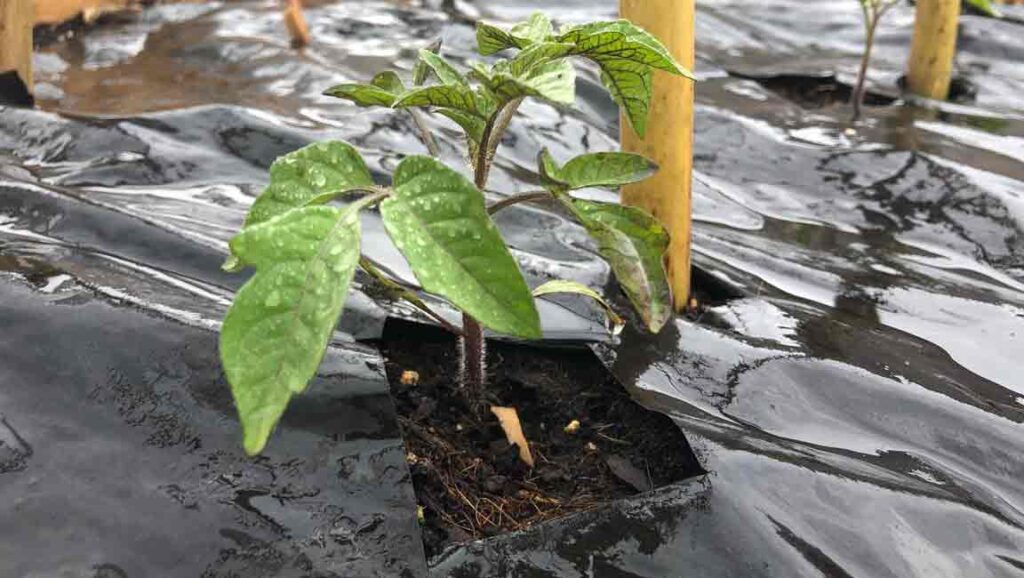
Novamulch biodegradable paper mulch completely blocks sunlight, preventing the germination of weeds and reducing their appearance by approximately 90%. It effectively maintains the necessary moisture levels and soil temperature, improving biological activity and preserving essential nutrients.
Novamulch biodegradable paper mulch is not removed at the end of each cycle, as it biodegrades completely and integrates without generating polluting plastic waste, becoming part of the nutrient system aligned with the principles of organic and regenerative agriculture, vital for our next agricultural projects.
We share one of our articles regarding How to eliminate sedge with effective methods.
How does Novamulch biodegradable paper mulch work in controlling and eliminating weeds?
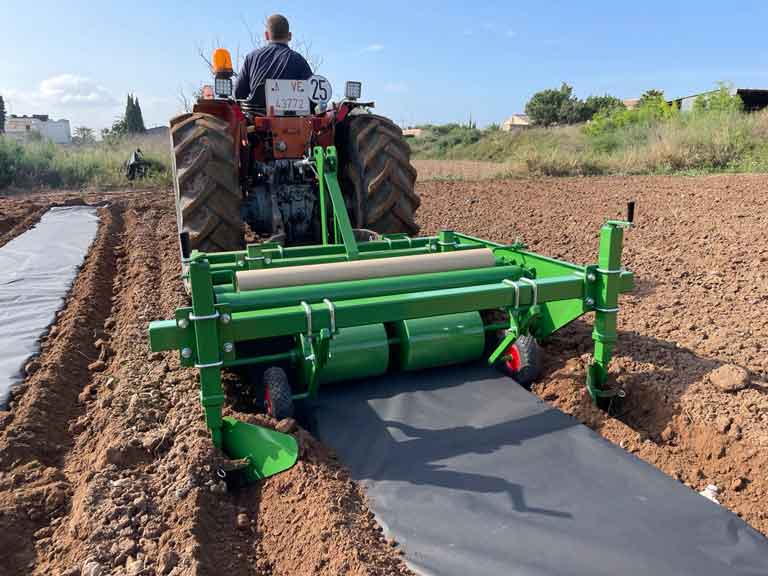
Given the above characteristics, we would like to add that Novamulch acts as a solid physical and preventative barrier that interrupts the weed life cycle from its very beginning, that is, from its initial germination stage. Unlike other corrective methods such as weeding, tillage, and the use of herbicides, its effectiveness lies in preventing weeds from emerging, thus sustainably reducing weed pressure throughout the entire crop cycle.
Furthermore, the germination of most weed species depends on exposure to sunlight. By spreading Novamulch mulch to cover the soil between rows and around the planting area, we prevent solar radiation from reaching the soil’s seed bank. Without the necessary sunlight, these invasive species will not activate their physiological processes to germinate and proliferate, thus limiting their appearance and spread.
Novamulch padding is a double protective agent.
In addition to improving the microclimate of our crops and controlling weeds, Novamulch mulch maintains the balance of soil moisture and temperature levels, and the correct structure for root development of plants, dealing with erosion, leaching and compaction that are common events in the processes of all types of cultivation.
Furthermore, by being extended allowing a healthy and robust cycle, there will be no possibility of leaving exposed areas of the soil, which favors the appearance and proliferation of these adventitious species.
Below we refer to our specific information on Novamulch mulching.
What advantages do we gain from using Novamulch mulch to eliminate weeds?
Compared to conventional, partially biodegradable, and natural organic plastic mulches, we have found that the need for herbicides is drastically reduced. Manual and mechanical weeding, as well as labor costs, are minimized, if not eliminated altogether. Another advantage of Novamulch mulch is that it improves the quality and health of the soil microbiota, and therefore, of our ecosystem.
Thus, Novamulch mulch is established as a strategic tool in integrated management systems for weed removal.
Final thoughts.
One of the great challenges for agriculture today is eliminating weeds, adventitious species.
The direct impact on any type of crop and in all types of agricultural environments damages yield, quality and productivity, facilitates the generation of diseases and pests, and considerably raises production and sustainability costs.
Traditional methods, whether manual, mechanical, or chemical, have proven useful in certain contexts, but they have very specific limitations and are not favorable in the medium and long term.
It is then that preventive strategies that act on the causes begin to appear, and it is then that we have the opportunity to solve these unwanted events by using Novamulch biodegradable paper mulch, as a technical, sustainable solution aligned with the needs of current agriculture.
Investing in this type of advanced technology, aligned with sustainability, leads us towards the agricultural systems of the future.
So, let’s be part of this future and best of luck!